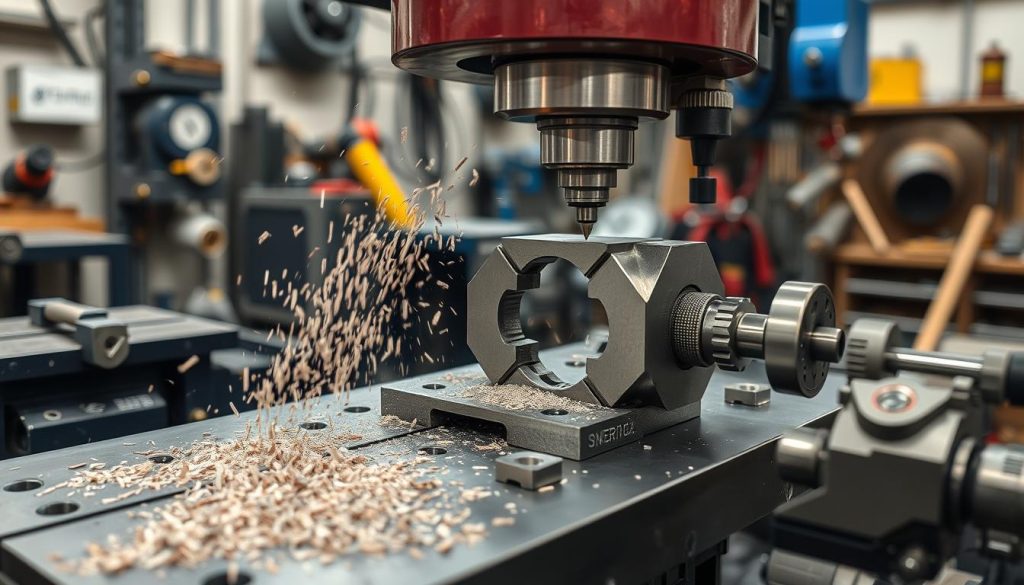
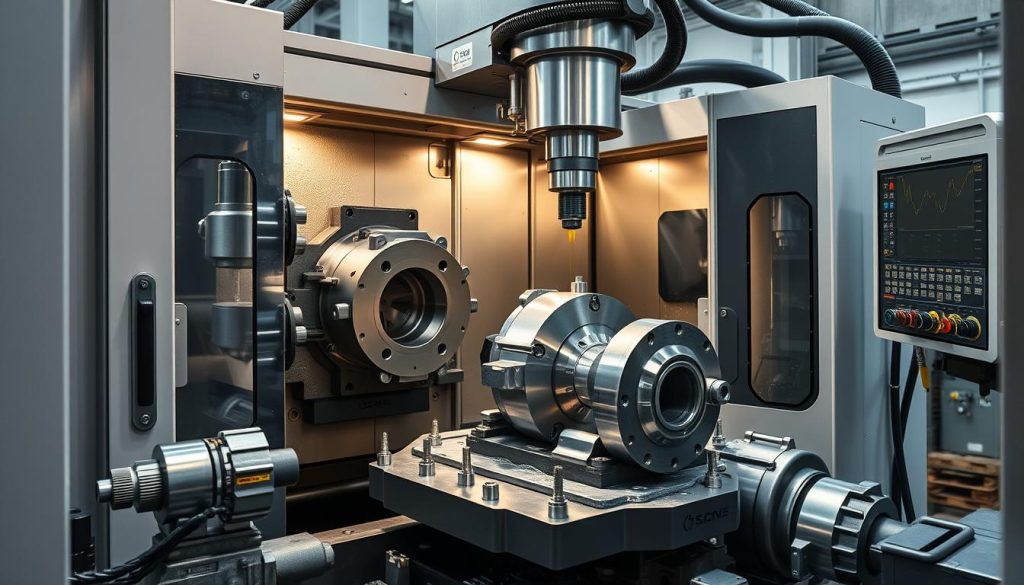
In the realm of CNC machining, the choice of material can make or break a project. Polyurethane, a versatile polymer, is a popular option due to its wide range of properties and applications. However, one critical factor often overlooked is polyurethane density. This attribute significantly influences how the material behaves under CNC tools, affecting everything from precision to durability. Whether you’re crafting lightweight foam prototypes or robust structural components, understanding polyurethane density is key to achieving superior results. In this comprehensive guide, we’ll explore how density shapes CNC machining processes and outcomes, offering practical insights for engineers and manufacturers. At Shixinproto, we leverage this knowledge to deliver top-tier machining solutions tailored to your needs.
Understanding Polyurethane Density
What is Polyurethane?
Polyurethane is a synthetic polymer celebrated for its adaptability across industries. Formed by reacting polyols with isocyanates, it can be engineered into flexible foams, rigid plastics, or elastomers. In CNC machining, polyurethane’s appeal lies in its lightweight nature, machinability, and ability to hold intricate shapes. From automotive parts to medical devices, this material’s versatility makes it a go-to choice for manufacturers seeking both functionality and precision.
Polyurethane Density Range
Polyurethane density spans a broad spectrum, typically from 16 kg/m³ (1 lb/ft³) for very low-density foams to over 1,200 kg/m³ (75 lb/ft³) for solid variants. This range allows for customization based on project requirements. Low-density polyurethanes excel in applications needing flexibility, while high-density options provide strength and rigidity. Knowing this range helps machinists select the ideal material for specific performance goals.
Relationship Between Density and Hardness
Density and hardness in polyurethane are intertwined. Lower-density materials, such as foams, are soft and pliable—perfect for cushioning or insulation. As density increases, so does hardness, resulting in rigid, durable forms suited for load-bearing parts. For example, a 32 kg/m³ foam might flex under pressure, while an 800 kg/m³ solid polyurethane withstands heavy impacts. This correlation guides material selection in CNC machining, balancing flexibility with structural integrity.

Factors Affecting Polyurethane Density
Blowing Agents
Blowing agents are pivotal in controlling polyurethane density, especially in foams. These chemicals generate gas bubbles during production, reducing density. Water, a common blowing agent, reacts to form carbon dioxide, creating larger cells and lower densities. Physical agents like pentane produce finer cells, yielding denser foams. The choice and quantity of blowing agents allow manufacturers to fine-tune density for specific CNC machining needs.
Formulation Composition
The polyurethane formulation—namely the polyol-to-isocyanate ratio—directly impacts density. A higher polyol content typically lowers density, producing softer foams. Increasing isocyanates shifts the material toward higher density and rigidity. Additives like catalysts, surfactants, and fillers further refine the outcome. For instance, adding fillers can increase density without sacrificing machinability, offering a tailored solution for CNC projects.
Manufacturing Processes
How polyurethane is made also affects its density. Injection molding, with its high-pressure environment, often results in denser, more uniform materials ideal for precision machining. In contrast, casting or spraying tends to produce lower-density foams with larger cell structures. Post-processing, such as compression or curing adjustments, can further modify density. These variables give manufacturers flexibility to align density with machining and application demands.
Key Impact of Polyurethane Density on CNC Machining
Material Rigidity and Stability
Rigidity is a cornerstone of CNC machining success. Low-density polyurethanes, being softer, may flex or deform under cutting forces, compromising dimensional accuracy. High-density variants, with their stiffer structure, maintain stability, enabling tighter tolerances. For intricate parts requiring precision, opting for a denser polyurethane minimizes distortion and ensures consistent results.
Cutting Forces and Tool Wear
Density dictates the cutting forces needed in CNC machining. Low-density foams require minimal force, reducing tool wear and allowing faster feeds. High-density polyurethanes, however, demand greater power and durable tools—think carbide or diamond-coated cutters—to avoid rapid wear or breakage. Adjusting speeds and feeds based on density optimizes tool life and machining efficiency.
Surface Finish
Achieving a polished surface finish hinges on polyurethane density. Low-density foams often tear or fray, leaving rough edges that require additional smoothing. Higher-density materials, with their compact structure, yield cleaner cuts and finer finishes straight off the machine. For low-density parts, techniques like high-speed milling or post-machining sanding can enhance surface quality.
Thermal Conductivity
Thermal conductivity rises with polyurethane density. During machining, high-density materials dissipate heat effectively, reducing risks of melting or warping. Low-density foams, with poor heat transfer, can overheat, necessitating slower speeds or coolant use. Managing thermal effects ensures both material integrity and tool longevity in CNC operations.
Workholding Challenges
Securing polyurethane during machining varies by density. Low-density foams, lacking rigidity, may collapse under standard clamps, leading to misalignment. Vacuum tables or custom fixtures offer a solution, distributing pressure evenly. High-density polyurethanes, being more robust, adapt well to conventional vises or clamps, simplifying setup and enhancing precision.
Typical Applications of Different Polyurethane Densities
Very Low-Density Polyurethane (Foam)
Very low-density polyurethanes (16-32 kg/m³) shine in lightweight, flexible applications. Think automotive seat cushions, soundproofing panels, or protective packaging. In CNC machining, these foams are often shaped into prototypes or molds, leveraging their ease of cutting and cost-effectiveness.
Low to Medium-Density Polyurethane
Ranging from 32-160 kg/m³, low to medium-density polyurethanes balance flexibility and strength. They’re ideal for gaskets, medical padding, or ergonomic grips. CNC machining these materials suits projects needing moderate precision, with straightforward toolpaths and minimal finishing.
Medium-High/High-Density Polyurethane
Medium-high to high-density polyurethanes (160-800 kg/m³) cater to demanding applications. Examples include automotive suspension bushings, industrial rollers, or aerospace brackets. Machining these requires robust equipment and sharp tools to handle their toughness while achieving high-quality finishes.
Very High-Density/Solid Polyurethane
At 800-1,200 kg/m³, very high-density polyurethanes rival metals in strength. They’re used for heavy-duty gears, impact-resistant housings, or precision bearings. CNC machining these dense materials demands powerful spindles and meticulous planning, delivering parts with exceptional durability and accuracy.

Machining Polyurethane: Material Selection Guidelines
Product Performance Requirements
Start with the end goal. Does your part need to absorb shock (low density) or bear heavy loads (high density)? Flexibility, wear resistance, and environmental factors all influence density choice. Matching material properties to performance ensures the machined product meets its intended purpose.
Machining Process
The CNC process shapes density decisions. High-speed milling suits low-density foams for quick turnaround, while precision turning favors denser materials for tight tolerances. Surface finish goals also play a role—denser polyurethanes reduce secondary operations, streamlining production.
Cost Considerations
Budget impacts density selection. Low-density polyurethanes are cheaper and faster to machine, ideal for prototyping or low-stress parts. High-density options, though pricier, offer longevity and performance that justify the cost for critical components. Balancing cost and quality is key.
Shixinproto: Professional Polyurethane Machining Solutions
At Shixinproto, we bring decades of CNC expertise to polyurethane machining. Our advanced facilities and skilled team handle projects across all densities, from delicate foams to solid blocks. We collaborate with clients to select the perfect material, optimize toolpaths, and devise workholding strategies that ensure flawless execution. Whether it’s a one-off prototype or a large production run, our commitment to precision and quality sets us apart. Trust us to transform your vision into reality with unmatched craftsmanship.
Conclusion
Polyurethane density is more than a technical detail—it’s a defining factor in CNC machining success. From influencing rigidity and tool wear to determining surface finish and application suitability, density drives every stage of the process. By mastering its nuances, manufacturers can unlock polyurethane’s full potential. At Shixinproto, we’re here to guide you through this journey, offering expert solutions tailored to your project. Ready to elevate your CNC machining? Visit Shixinproto to explore how our services can deliver precision and performance for your next endeavor.